External studyInterview study, 2022
Becoming a father when the door was closed
During the COVID-19 pandemic, many fathers in Sweden could not join their partner at pregnancy check-ups, and did not know whether they could be at the birth. Eva and her colleagues asked fathers what that was like. Here is what they said, and where the evidence ends.
- fathers interviewed
- 14fathers interviewed
- expecting a baby, or with a newborn
- 7 + 7expecting a baby, or with a newborn
- main themes
- 2main themes
What the study asked
What was it like to become a father in Sweden while the pandemic kept partners out of many care visits?
How it was done
In February 2021, 14 fathers were interviewed by video or telephone. Seven were expecting a baby and seven had a baby born during the pandemic. They were found through a Swedish organisation for gender equality and social media.
The researchers read the interviews closely and grouped what the fathers said into themes.
What the research found
Fathers felt left out. They saw the care get worse when they could not be there, and saw midwives as the ones who decided whether they could come in. Many looked for ways to take part anyway, and suggested ideas such as the midwife writing a short summary after each visit, letting the mother record the baby’s heartbeat, or video meetings by webcam.
Being left outside brought strong feelings. Some fathers said it made them and their partner work more closely as parents. Others said they could not bond with their baby as they had hoped, felt unprepared, and worried about missing the birth if they fell ill.
Care varied a lot between clinics and midwives. The researchers suggest that national guidelines on care for fathers could make it less dependent on the individual midwife.
What it can mean for you
If you are a partner and cannot be at a visit, you can ask the midwife how you can still take part, for example by phone or by getting a short summary.
Feeling left out or unprepared is common. Talking about it with your partner or a midwife can help.
Where the evidence ends
A small interview study of 14 fathers in Sweden, mostly with higher education, who answered a call from a gender-equality organisation. They may be more involved than many fathers. The interviews were short. It describes their experiences during the pandemic; it does not measure how common they are.
About the researcher
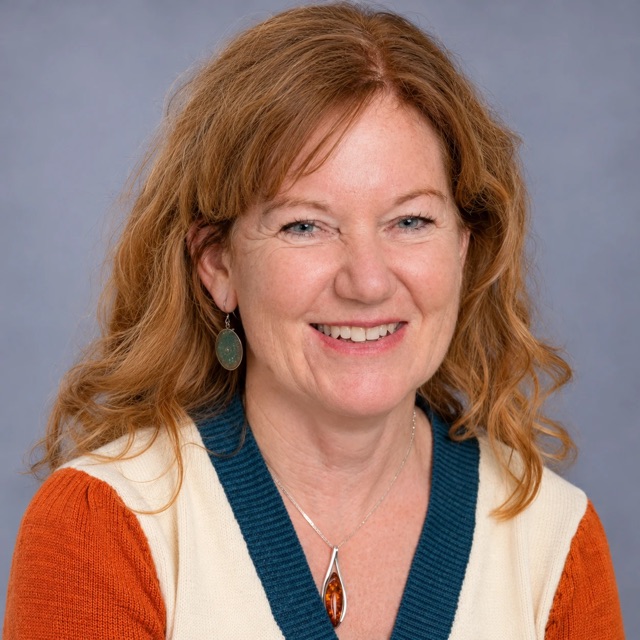
- Name
- Eva Elvin
- Role
- Docent and Senior Lecturer in Perinatal Health
- Affiliation
- Karolinska Institutet, Sweden
- Field
- Fathers and partners in pregnancy and early parenthood
How this connects to Omaia
Eva’s studies were not about Omaia, and their results say nothing about Omaia’s effect. We share them because they show what fathers and partners need from care, and where support is missing.
- Omaia did not fund, design or run these studies.
- Eva and her co-authors own the findings and approve how we describe them.
Source and citation
European Journal of Midwifery, 25 March 2022
A qualitative study of Swedish fathers’ experiences of becoming a father during the COVID-19 pandemic
Michael B. Wells, Joline Svahn, Karolina Svedlind, Ewa Andersson
Wells MB, Svahn J, Svedlind K, Andersson E. A qualitative study of Swedish fathers’ experiences of becoming a father during the COVID-19 pandemic. Eur J Midwifery 2022;6:15. doi:10.18332/ejm/146082
- Type of evidence
- Qualitative interview study
- Evidence level
- Emerging
- Open access
- Yes
- Reviewed by researcher
- November 2026
- Language
- English
- PubMed
- Open in PubMed
- Licence
- CC BY 4.0
This page is based on the paper above, published open access under CC BY 4.0. Omaia is a non-medical wellbeing service. It makes no diagnosis, gives no treatment, and does not replace contact with a midwife or doctor. Research to Knowledge is approved by the researchers before publication.